A tooth implant is one of the most durable and natural-looking options for replacing a missing tooth, but costs can vary from one patient to another. In this guide, we’ll explain what a tooth implant typically costs in Ontario, what’s included in the treatment, and the factors that can influence your final price.
How Much Does a Tooth Implant Cost in Ontario?
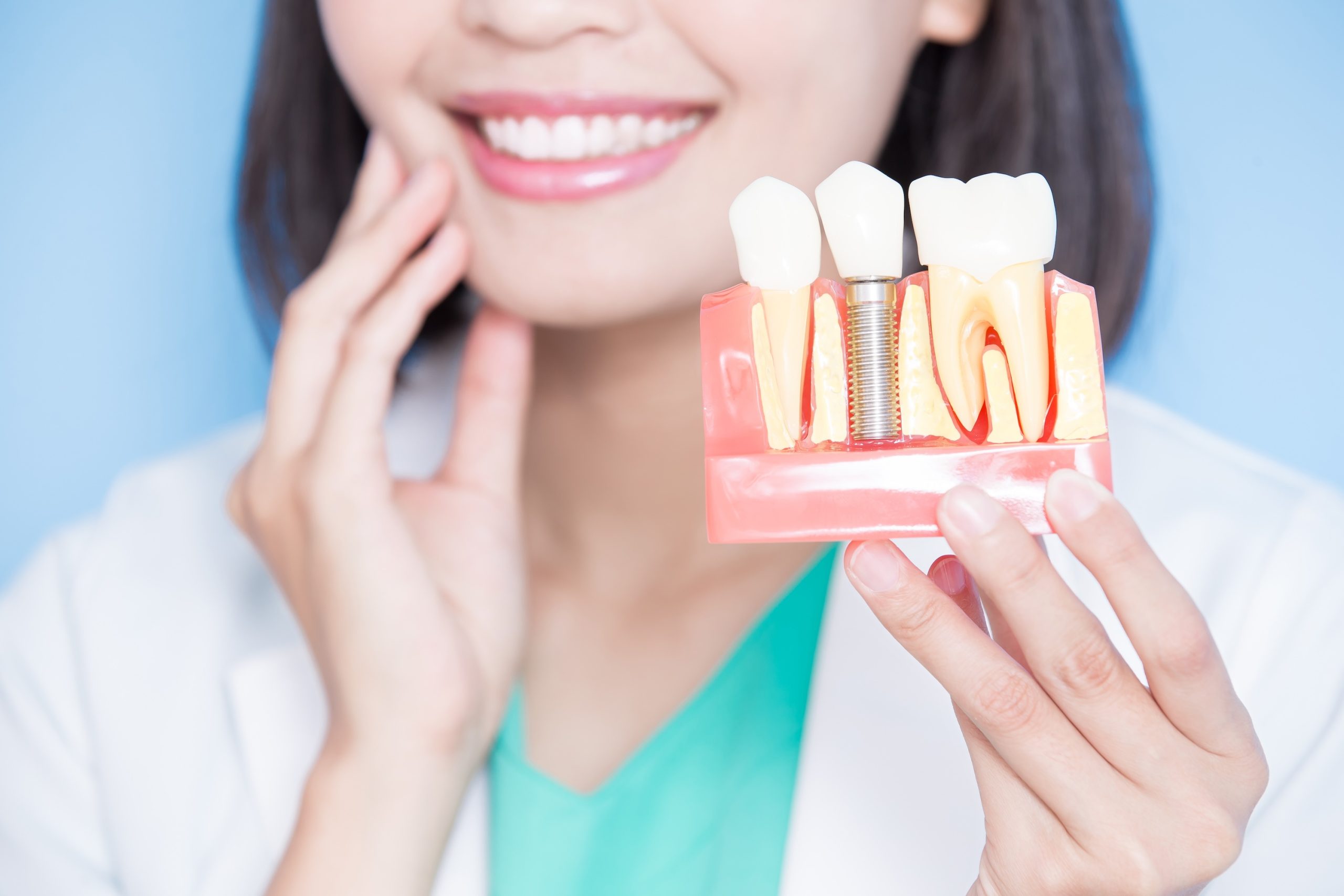
The cost of a tooth implant depends on the components included in your treatment. For most patients, a complete dental implant consists of three parts: the implant post, the abutment, and the custom-made crown. While some clinics advertise the cost of the implant itself, it’s important to understand whether the quoted price includes all of these components.
| Treatment Component | Typical Cost (CAD) |
|---|---|
| Dental Implant Post | $1,500–$2,500 |
| Abutment (Connector) | $500–$1,000 |
| Custom Dental Crown | $1,000–$2,500 |
| Total Single Tooth Implant | $3,000–$6,000 |
What’s Included in the Cost of a Tooth Implant?
A tooth implant is completed in several stages rather than during a single appointment. Your estimate may include the consultation, diagnostic imaging, implant placement, follow-up care, the abutment, and the final crown. However, what is included can vary between providers, so it is important to review your treatment estimate carefully.
Consultation
Your dentist begins by examining your teeth, gums, bite, and overall oral health. They will discuss your treatment goals, medical history, and whether an implant is an appropriate option for replacing the missing tooth.
CBCT Scan
A three-dimensional CBCT scan may be used to assess the height, width, and density of the jawbone. It also helps the dental team identify nearby nerves and other important structures so the implant can be planned more accurately.
Implant Surgery
During implant placement, the titanium implant post is carefully positioned in the jawbone. This post acts as an artificial tooth root and provides the foundation for the replacement tooth.
Healing Period
After placement, the implant is given time to bond with the surrounding jawbone through a process called osseointegration. Healing often takes several months, although the timeline varies depending on your health, bone quality, and treatment.
Abutment
Once the implant has healed, an abutment is attached to the implant post. This small connector sits above the gumline and supports the final dental crown.
Custom Crown
The final step is placing a custom-made crown designed to match the shape, size, and colour of your surrounding teeth. The crown restores the visible portion of the tooth and allows you to bite, chew, and smile more naturally.
Some estimates may only show the cost of the implant post, while imaging, surgery, the abutment, and the final crown may be priced separately. Ask for a complete written estimate so you understand what is included before beginning treatment.
Suggested Reading: Dentures vs. Implants: How to Choose
What Can Increase the Cost of a Tooth Implant?
Every patient’s treatment plan is different. While many people only require the implant, abutment, and crown, some cases involve additional procedures to prepare the mouth for long-term success. If recommended, these treatments can increase the overall cost of your dental implant.
Bone Grafting
If there isn’t enough healthy jawbone to support the implant, a bone graft may be recommended. This helps rebuild the area and create a stronger foundation for long-term implant stability.
Sinus Lift
A sinus lift may be needed for implants placed in the upper back jaw when there isn’t enough bone beneath the sinus cavity. It creates additional bone height to support the implant safely.
Sedation
Some patients choose sedation for additional comfort during treatment, particularly when they feel anxious or require a more complex procedure. The type of sedation used can affect the total cost.
3D CBCT Scan
A CBCT scan provides detailed three-dimensional images of the teeth, jawbone, nerves, and surrounding structures. It helps the dental team plan implant placement more accurately.
Tooth Extraction
If the damaged or failing tooth is still present, it may need to be removed before the implant can be placed. The final cost can depend on whether the extraction is simple or more complex.
Immediate Implant Placement
In suitable cases, the implant may be placed during the same appointment as the tooth extraction. This approach requires careful planning and may involve additional treatment considerations.
Temporary Crown
A temporary crown may be provided while the implant heals, especially when the missing tooth is visible. It helps maintain the appearance of your smile until the permanent crown is ready.
Soft Tissue Grafting
A soft tissue graft may be recommended when the gums around the implant site are thin or have receded. It can improve gum health, appearance, and support around the final restoration.
Some estimates may only show the cost of the implant post, while imaging, surgery, the abutment, and the final crown may be priced separately. Ask for a complete written estimate so you understand what is included before beginning treatment.
Why Do Tooth Implant Prices Vary Between Clinics?
Not all dental implant treatment is the same, which is why prices can vary from one clinic to another. Factors such as the experience of the dental team, the technology used, the quality of materials, and whether additional services are included in the treatment can all influence the final cost. When comparing estimates, it’s important to look beyond the price alone and understand exactly what you’re receiving.
Common Reasons Implant Costs Vary
- Experience of the dentist or implant provider
- Quality and brand of the implant system
- Whether consultation and CBCT imaging are included
- Materials used for the custom crown
- Complexity of your individual case
- Additional procedures, such as bone grafting or tooth extraction
- Geographic location of the clinic
- Follow-up appointments and post-operative care included in the treatment
Does Dental Insurance Cover Tooth Implants in Ontario?
Coverage for dental implants varies depending on your insurance provider and the details of your plan. While some patients receive partial coverage, others may need to pay most or all of the cost themselves. Before starting treatment, it’s a good idea to review your benefits or speak with your insurance provider to understand what’s covered.
| Coverage Option | What You Should Know |
|---|---|
| OHIP | OHIP generally does not cover dental implants. In limited hospital-based cases involving major trauma or medical conditions, some related treatment may be covered. |
| Private Dental Insurance | Some plans may cover a portion of implant treatment or contribute toward the cost of the crown. Coverage depends on your provider, policy, and annual maximums. |
| Health Spending Account (HSA) | If your employer offers an HSA, you may be able to use those funds toward eligible dental implant expenses, subject to your available balance and plan rules. |
| Financing | Many dental clinics offer financing or flexible payment plans, allowing you to spread the cost of treatment over time rather than paying everything upfront. |
OHIP
OHIP generally does not cover dental implants because they are considered a dental procedure rather than a medically necessary healthcare service. In rare cases involving major trauma or hospital-based surgery, limited coverage may apply, but routine implant treatment is not covered.
Private Dental Insurance
Some private dental insurance plans may cover a portion of implant treatment, while others may only contribute toward the cost of the crown or provide coverage up to an annual maximum. Coverage varies significantly between plans, so it’s important to check your policy details.
Health Spending Accounts (HSAs)
If your employer offers a Health Spending Account, you may be able to use those funds toward eligible dental implant expenses. Eligibility depends on your plan and available balance.
Financing Options
Many dental clinics offer financing or flexible payment plans to help spread the cost of treatment over time. If cost is a concern, ask your dental provider about the financing options available before beginning treatment.
Are Tooth Implants Worth the Cost?
For many people, a dental implant is more than just a tooth replacement—it’s a long-term investment in their oral health and quality of life. While the upfront cost is higher than alternatives such as dentures or dental bridges, implants are designed to replace both the visible tooth and its root, helping to preserve the jawbone and support the surrounding teeth.
Benefits of Choosing a Dental Implant
- Designed to last for many years with proper care and regular dental checkups.
- Helps preserve the jawbone by stimulating the bone in a way that other tooth replacement options cannot.
- Looks and feels like a natural tooth, providing a comfortable and secure fit.
- Allows you to bite and chew confidently without worrying about movement or slipping.
- Doesn’t rely on neighbouring teeth for support, unlike a traditional dental bridge.
- Supports long-term oral health by helping maintain your natural bite and facial structure.
How Can You Save Money on Dental Implants?
Although dental implants are a significant investment, there are several ways to make treatment more affordable without compromising on quality. Planning ahead, understanding your insurance benefits, and addressing missing teeth early can all help reduce your overall costs.
Ways to Save on Dental Implant Treatment
Explore Financing Options
Many dental clinics offer flexible financing or payment plans, allowing you to spread the cost of treatment over time instead of paying everything upfront.
Review Your Insurance Benefits
Check whether your private dental insurance or Health Spending Account (HSA) can help cover part of your implant treatment or final restoration.
Get a Personalized Treatment Plan
A comprehensive consultation helps identify exactly what treatment you need, reducing the likelihood of unexpected procedures or costs later on.
Don't Delay Treatment
Replacing a missing tooth sooner can help prevent bone loss and shifting teeth, which may require additional procedures such as bone grafting.
Conclusion
While the cost of a tooth implant in Ontario typically ranges from $3,000 to $6,000, the final price depends on your individual treatment needs and whether additional procedures are required. Understanding what’s included in the cost, what factors can affect pricing, and the payment options available can help you make a confident, informed decision.
If you’re considering replacing a missing tooth, the best way to understand your options is through a personalized consultation. Your dentist can assess your oral health, explain your treatment plan, and provide a detailed estimate based on your specific needs.
Get a Personalized Dental Implant Consultation
Every smile is different, and so is every treatment plan. If you're considering a tooth implant, our team can assess your oral health, explain your options, and provide a personalized treatment plan with a detailed cost estimate.