The results of teeth whitening can last anywhere from 6 months to 3 years, depending on the whitening treatment you choose, your eating and drinking habits, oral hygiene, and how well you maintain your smile. In this guide, we’ll explain how long different types of teeth whitening typically last, what affects your results, and how to keep your teeth brighter for longer.
How Long Does Each Type of Teeth Whitening Last?
There are several ways to whiten your teeth, ranging from over-the-counter products to professional teeth whitening treatments. Each option differs in how it works, how long the results typically last, and the type of staining it is best suited for. Understanding these differences can help you choose the whitening treatment that best fits your goals, lifestyle, and budget.
| Whitening Method | Typical Duration | Best For |
|---|---|---|
| Whitening Toothpaste | Ongoing use | Mild surface stains |
| Whitening Strips | 3–6 months | Budget-friendly whitening |
| LED Whitening Kits | 3–6 months | At-home convenience |
| Professional Take-Home Trays | 6–18 months | Long-term maintenance |
| Professional In-Office Whitening | 1–3 years | Fastest, longest-lasting results |
Whitening Toothpaste
Results Typically Last: Ongoing use only
Whitening toothpaste uses mild abrasives and polishing agents to remove surface stains caused by foods and beverages. While it can help maintain a brighter smile, it does not significantly change the natural shade of your teeth and only works while used consistently.
Whitening Strips
Results Typically Last: 3–6 months
Whitening strips contain a peroxide-based whitening gel applied through flexible adhesive strips. They can improve mild to moderate staining and are an affordable at-home option, although results vary depending on the product and how consistently it is used.
LED Whitening Kits
Results Typically Last: 3–6 months
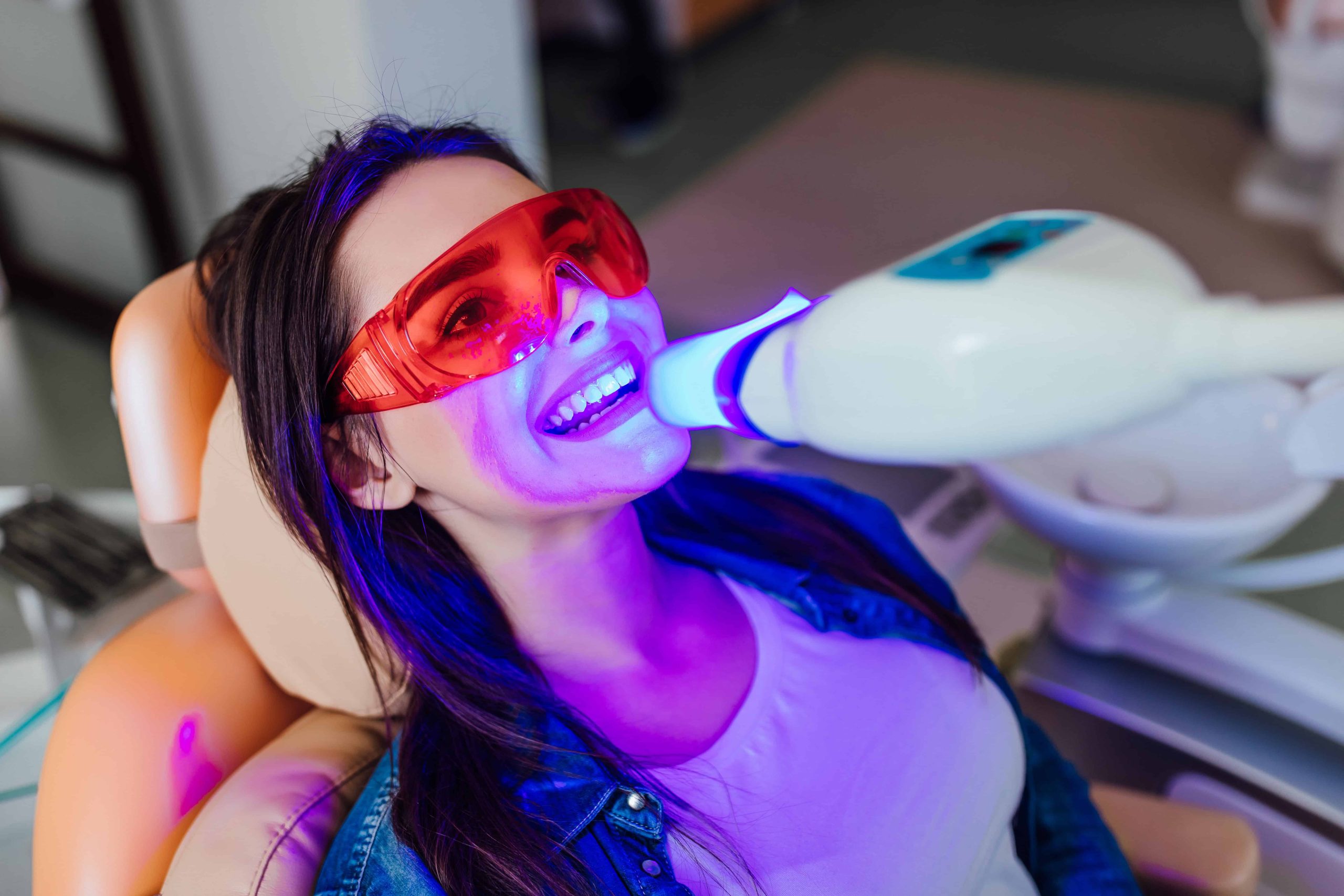
Many LED whitening kits combine a whitening gel with an LED light. While the light may enhance the treatment experience, the whitening gel is the primary ingredient responsible for removing stains. Results are generally comparable to whitening strips.
Professional Take-Home Whitening Trays
Results Typically Last: 6–18 months
Custom-made whitening trays are created specifically for your smile, allowing professional-strength whitening gel to contact your teeth more evenly. This personalized approach typically delivers more consistent, longer-lasting results and makes future touch-ups simple.
Professional In-Office Whitening
Results Typically Last: 1–3 years
Professional in-office whitening uses higher-strength whitening agents under the supervision of a dental professional to achieve faster, more dramatic results. With good oral hygiene and occasional touch-up treatments, results can often last one to three years.
What Affects How Long Teeth Whitening Lasts?
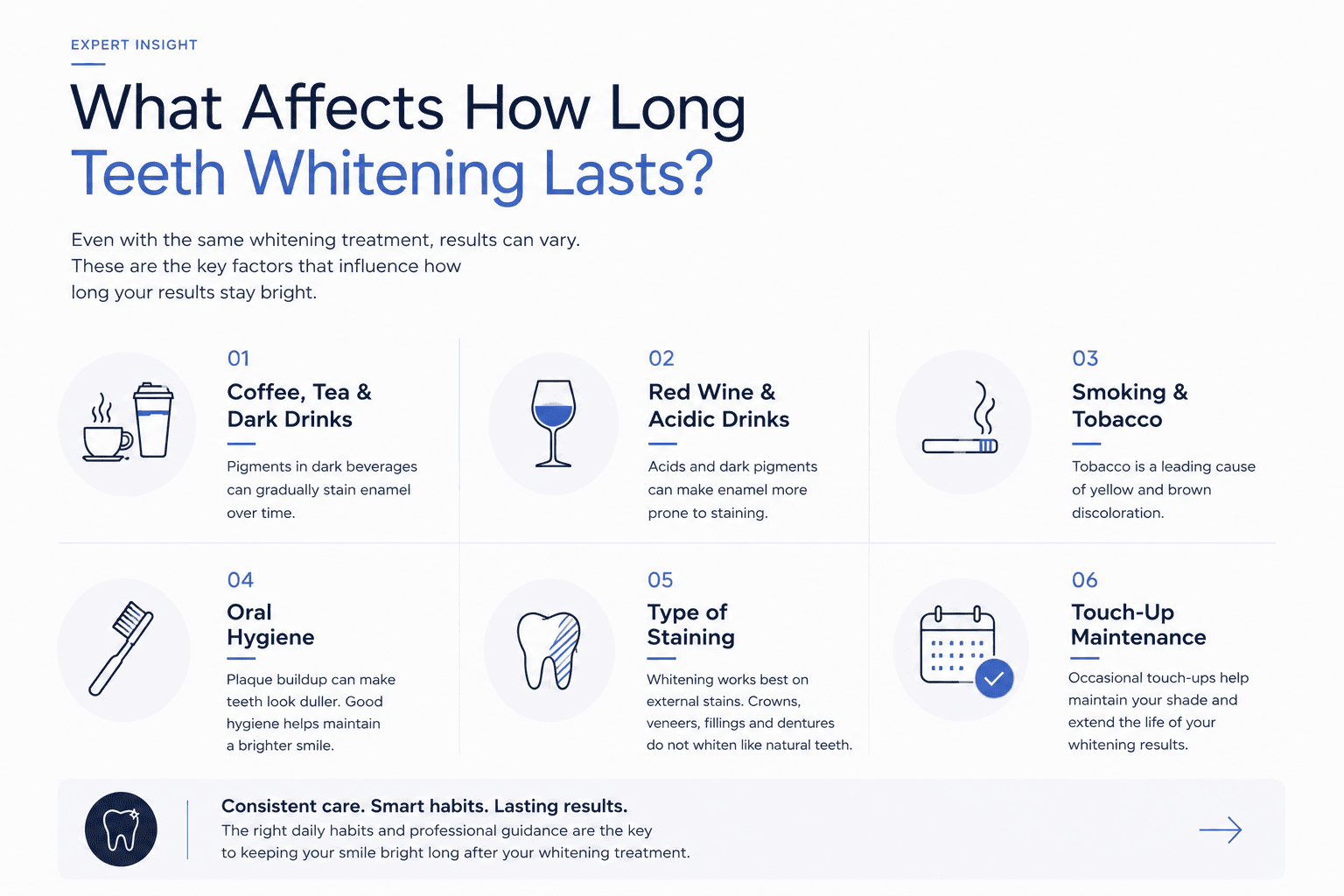
Even with the same whitening treatment, results can vary from person to person. In clinical practice, the longevity of teeth whitening depends on three main factors: the type of stains present, the patient’s daily habits, and how well the results are maintained after treatment.
- Beverages: Coffee, tea, cola, and other dark beverages contain staining compounds called chromogens. These pigments can attach to the tooth surface over time, especially when consumed daily.
- Red Wine & Acidic Drinks: Red wine contains strong colour pigments and acids that can make enamel more vulnerable to staining. Acidic drinks may also temporarily soften the enamel surface, allowing stains to build up more easily.
- Smoking & Tobacco Use: Tobacco is one of the most common causes of yellow and brown tooth discoloration. Patients who continue smoking after whitening may notice their results fade faster.
- Oral Hygiene: Plaque and surface buildup can make teeth appear duller and more stained. Brushing, flossing, and regular professional cleanings help reduce surface stains and support longer-lasting whitening results.
- Type of Staining: Whitening works best on many external stains caused by food, drinks, and tobacco. Deeper internal discoloration, old dental work, crowns, veneers, fillings, and dentures do not respond to whitening in the same way as natural teeth.
- Touch-Up Maintenance: Occasional touch-ups can help maintain a brighter shade over time. This is one reason custom take-home trays are helpful — they make future maintenance easier and more controlled.
Does Teeth Whitening Work for Every Type of Stain?
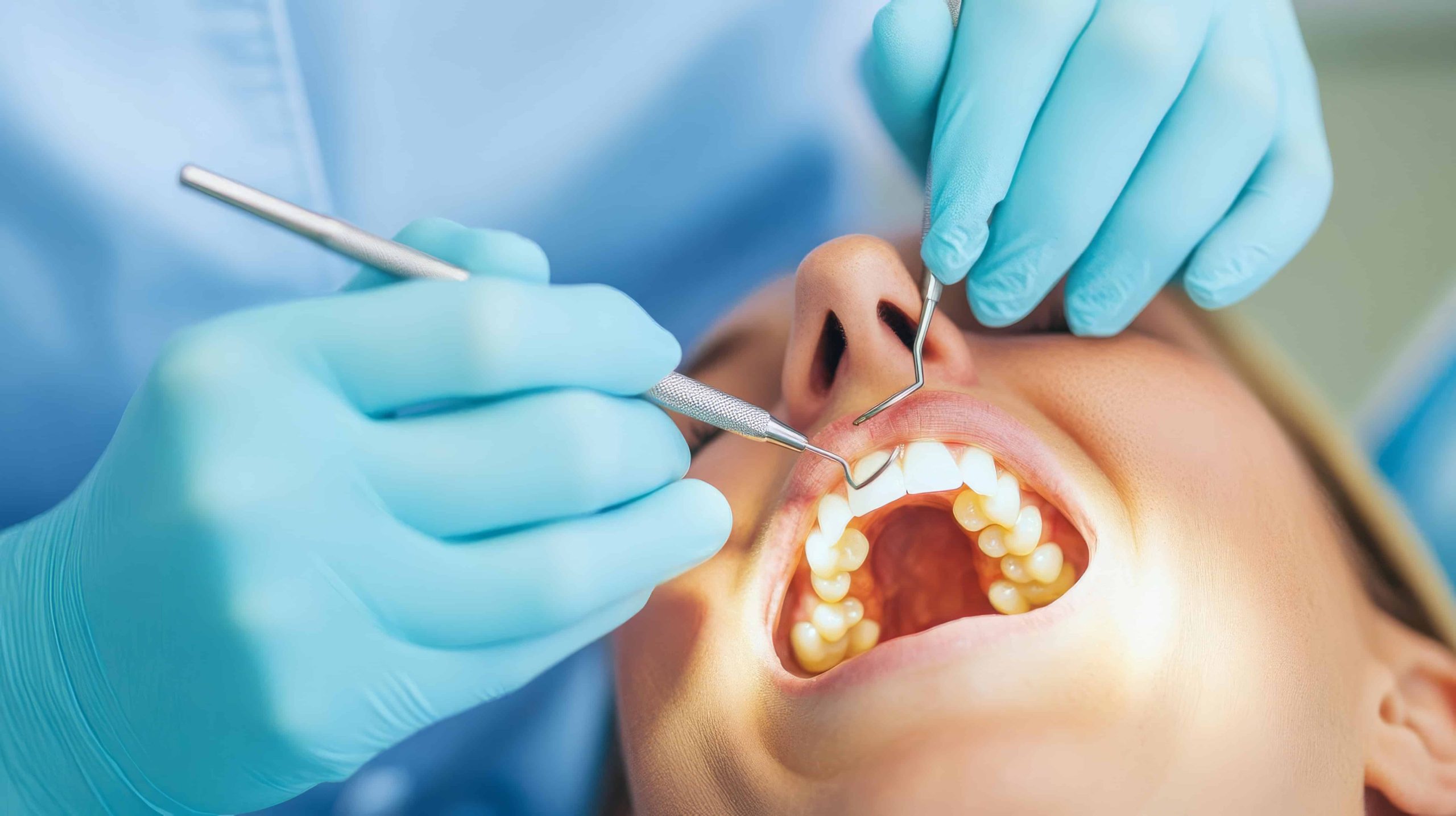
Not all tooth discoloration responds to whitening the same way. Professional teeth whitening works best on natural teeth, especially when stains come from everyday foods, drinks, tobacco, and age-related changes. Some deeper stains or existing dental restorations may not whiten in the same way, which is why a professional assessment is important before starting treatment.
Extrinsic Stains
Extrinsic stains are surface-level stains that build up on the outer layer of the teeth. These are commonly caused by coffee, tea, red wine, tobacco, dark-coloured foods, and normal daily habits. Professional whitening often works well for these types of stains because the whitening agent can help break down the pigmented compounds that make teeth look darker or yellow.
Intrinsic Stains
Intrinsic stains develop deeper within the tooth structure. These may be caused by aging, trauma, certain medications, excessive fluoride exposure during tooth development, or internal changes in the tooth. These stains can be more difficult to treat and may not respond as quickly or predictably as surface stains.
Dental Restorations
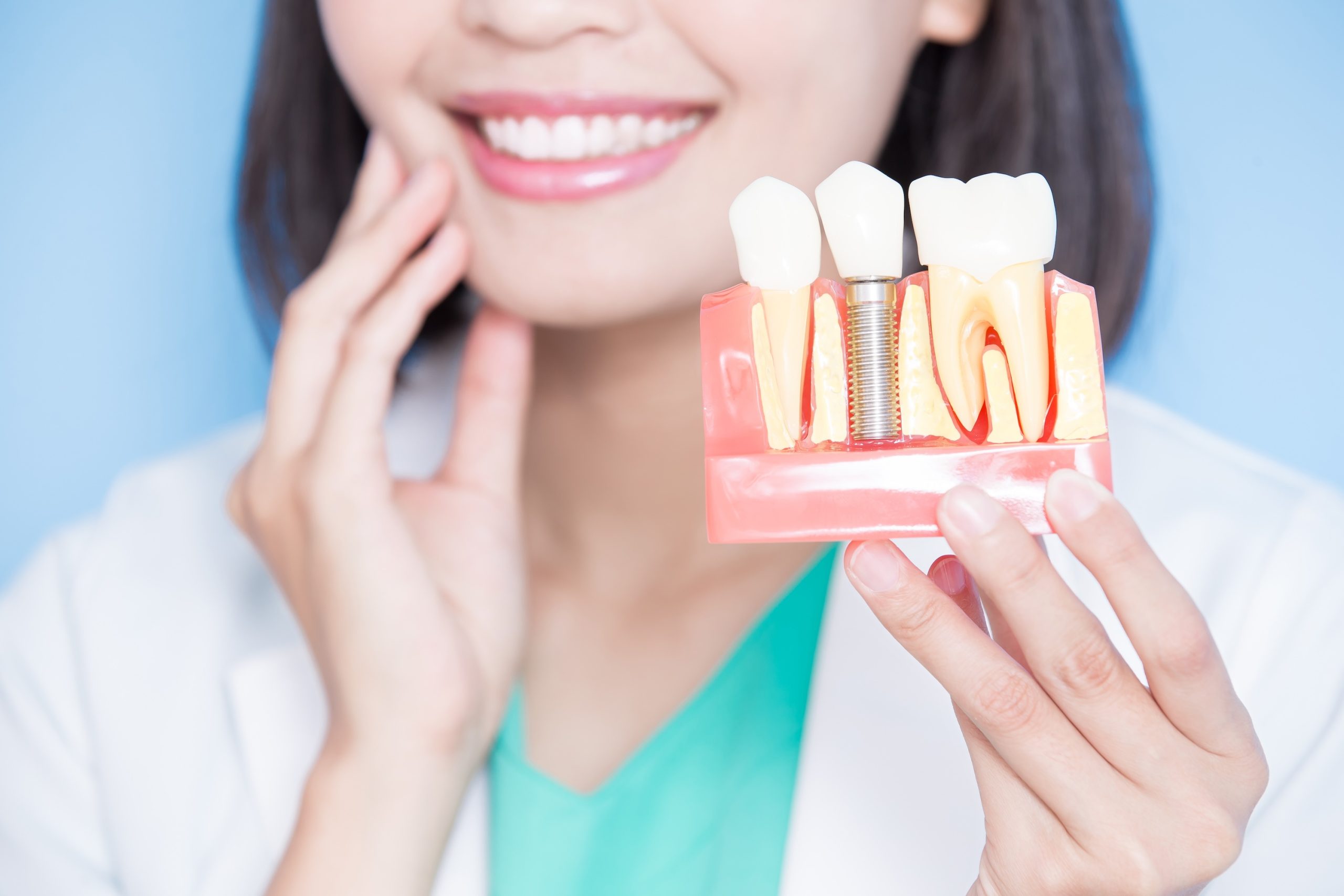
Teeth whitening products are designed to work on natural tooth structure. Crowns, veneers, fillings, bridges, and dentures do not whiten the same way natural teeth do. If you have visible dental work, a professional can help you understand whether whitening should be completed before replacing or matching restorations.
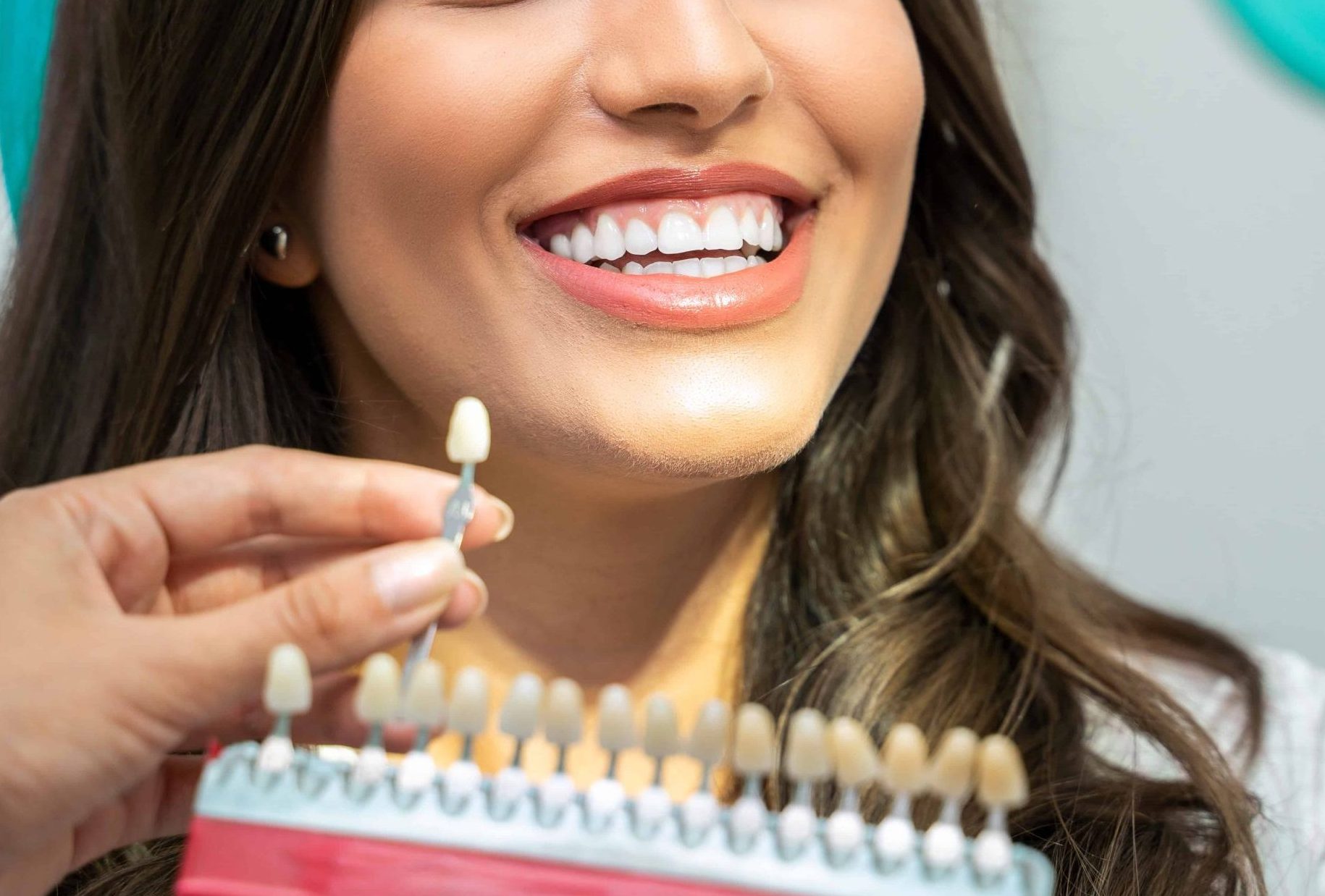
The best candidates for teeth whitening usually have healthy natural teeth with yellow or brown-toned staining. Grey-toned discoloration, deeper internal staining, or restorations in the smile zone may require a different cosmetic approach. Before choosing a whitening option, it’s helpful to understand what kind of staining you have. A professional consultation can help determine whether whitening is likely to give you the result you want.
Which Teeth Whitening Option Is Right for You?
The best whitening treatment depends on your goals, the type of staining you’re trying to treat, your budget, and how quickly you want to see results. While over-the-counter products may help with mild surface stains, professional whitening treatments are generally better suited for patients looking for more noticeable, predictable, and longer-lasting results.
Whitening Toothpaste
Best for: Maintaining results and reducing minor surface stains.
Whitening toothpaste can be a good option if your teeth are already relatively bright and you simply want to help maintain your results as part of your daily oral hygiene routine. It is not intended to dramatically change the natural colour of your teeth.
Whitening Strips
Best for: Mild to moderate surface staining.
Whitening strips may be suitable if you’re looking for an affordable over-the-counter option and are comfortable with gradual improvements over several weeks. Because they use a generic fit, whitening may be less even than with custom trays.
Professional Take-Home Whitening Trays
Best for: Patients who want professional whitening with the convenience of home treatment.
Custom whitening trays are made specifically for your smile, allowing the whitening gel to be distributed more evenly across your teeth. They offer a balance of convenience, professional guidance, and longer-lasting results while making future touch-up treatments simple.
Professional In-Office Whitening
Best for: Patients seeking the fastest and most noticeable improvement.
In-office whitening is ideal if you have an upcoming wedding, graduation, vacation, or other special occasion and want visible results in a single appointment. Treatment is performed under professional supervision using higher-strength whitening agents.
Conclusion
The longevity of teeth whitening depends on several factors, including the treatment you choose, the type of staining you’re treating, and your daily habits after whitening. While over-the-counter products may help with mild surface stains, professional whitening treatments generally provide more noticeable, predictable, and longer-lasting results.
If you’re considering teeth whitening, the first step is understanding what’s causing your tooth discoloration and choosing the treatment that’s best suited to your smile. A professional assessment can help determine your expected results, identify any existing dental restorations that won’t whiten, and recommend the most appropriate whitening option based on your goals.
With the right treatment and ongoing maintenance, professional teeth whitening can help you enjoy a brighter, healthier-looking smile for months or even years.