If you’re the owner of a new set of dentures, or are considering getting them, you’re probably wondering, how long do dentures last? While there’s no one-size-fits-all answer, most dentures will last between 5 to 10 years with proper care. However, that number can vary depending on the type of denture you choose, how well they’re maintained, and changes in your mouth over time.
In this post, we’ll explore the average lifespan of dentures, the factors that affect how long they last, and whether repair or replacement is the best option if something goes wrong. Plus, we’ll share tips to help extend the life of your dentures and keep your smile looking its best.
Average Lifespan of Dentures
So, how long do dentures last?
In general, traditional full dentures or partial dentures can last anywhere from 5 to 10 years. With excellent denture maintenance, some patients even get a few extra years of use. However, it’s important to remember that your mouth naturally changes shape over time. As your gums and jawbone shift, your dentures may no longer fit the way they once did, even if the materials are still in good shape.
Digital dentures may offer a longer lifespan because they’re more precise and easier to replicate if needed, but they still require the same level of care and regular check-ins with your denturist.
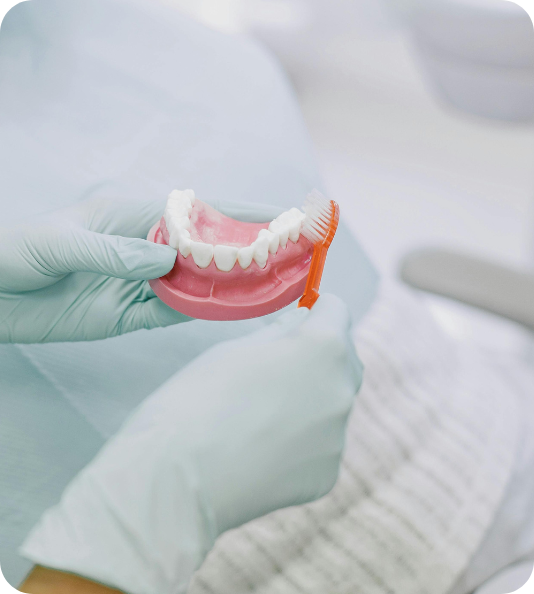
What Affects How Long Dentures Last?
You may be wondering now, when you take look care of your dentures, how long do dentures last? Several factors can influence the lifespan of dentures, including:
1. Material Quality
2. Fit and Adjustments
A proper fit is essential for both comfort and longevity. Ill-fitting dentures can rub against your gums, causing irritation, bone loss, and even damage to the denture itself.
3. Daily Care Routine
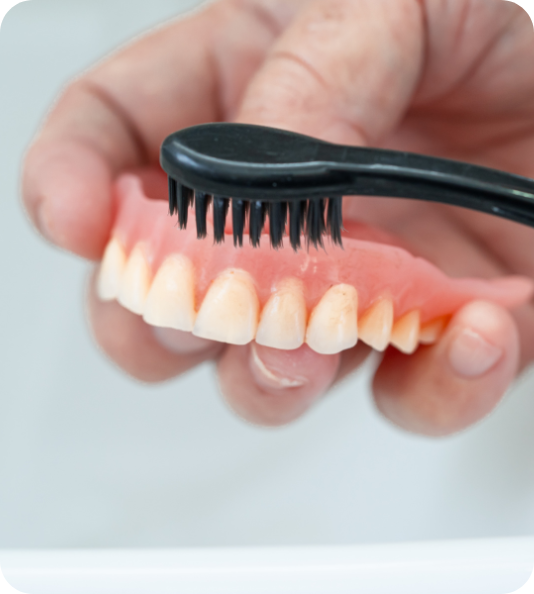
How you care for your dentures each day plays a big role in their lifespan. Proper denture care includes daily brushing (with a non-abrasive cleanser), soaking them overnight, and avoiding hot water that can warp their shape.
4. Eating Habits
Sticky or hard foods can cause wear and tear faster. Denturists recommend chewing on both sides of the mouth evenly and avoiding foods that could crack or dislodge your dentures.
5. Mouth Changes Over Time
As your bone and gum tissue naturally shrink (a process called bone resorption), your dentures may start to feel loose or shift while eating and speaking. This is normal, but it means relines or replacements will eventually be needed.
Denture Repair vs Replacement: What’s the Right Choice?
As dentures age, it’s normal to experience small issues, like a chipped tooth, a crack in the base, or a bit of looseness. But how do you know when it’s something that can be fixed quickly, and when it’s a sign that your dentures need to be replaced altogether?
Many patients hesitate to reach out at the first sign of damage, unsure whether it’s worth repairing or if a full replacement is necessary. The truth is, every case is different. What may seem like a small issue could lead to bigger problems if left unchecked, while some more visible damage might be easily corrected with a same-day repair.
Not sure whether your dentures just need a quick fix or if it’s time for a whole new set?
Consider Repair If:
- You have a small crack or chip
- A tooth has come loose
- The base is intact and fits well
- You haven’t had any major mouth changes
Most minor repairs can be completed same-day at Orleans Denture Clinic. Quick repairs help extend the life of your dentures without needing to start from scratch.
Consider Replacement If:
- Your dentures are more than 7–10 years old
- They feel loose or uncomfortable
- You’re having difficulty chewing or speaking
- The base is worn, cracked, or warped
- Your face shape has changed significantly
If you’re not sure which category you fall into, a free consultation can help determine the best next step.
Did You Know?
Small cracks or chips in your dentures can often be repaired the same day? There’s no need to go long periods without them.
Denture Tips for a Longer Lifespan
To get the most out of your dentures, follow these proven denture maintenance tips:
- Clean daily using a denture brush and mild cleanser
- Soak overnight to keep them moist and prevent warping
- Avoid using regular toothpaste, which can be too abrasive
- Handle with care when cleaning to avoid drops or cracks
- Schedule regular checkups to catch small issues early
- Avoid DIY repairs, which can cause more harm than good
These simple steps can help ensure your dentures stay functional, clean, and comfortable for years to come.
Common Questions About Denture Lifespan and Care
How can I make my dentures last longer?
Clean them daily, handle them with care, and soak them overnight. Regular checkups also help catch issues early and keep them fitting well.
How long do dentures last?
Most dentures last between 5 to 10 years, depending on how well they’re cared for and how your mouth changes over time. Regular checkups and proper cleaning can help extend their lifespan. If your dentures start to feel loose, uncomfortable, or show signs of wear, it may be time for a reline or replacement.
What are signs my dentures need to be replaced?
If they feel loose, cause discomfort, look worn, or affect your ability to chew or speak, it may be time for a replacement.
Can damaged dentures be repaired?
Yes! Minor chips, cracks, or broken teeth can often be repaired the same day at Orleans Denture Clinic.
Do digital dentures last longer?
Digital dentures can offer a more precise fit and easier replacement, which may improve their long-term comfort and lifespan.
When in Doubt, Get a Professional Opinion
If your dentures are starting to feel loose, uncomfortable, or worn, don’t wait until they break. The team at Orleans Denture Clinic is here to help you decide whether a denture repair or full replacement is best for your needs.
Every patient’s situation is unique. With access to digital dentures, mobile denture services, and same-day emergency repairs, you’ll always have support when you need it most.
Book your consultation today and take the first step toward long-lasting comfort and confidence.